
- English
- 简体中文
- Español
- Português
- русский
- Français
- 日本語
- Deutsch
- tiếng Việt
- Italiano
- Nederlands
- ภาษาไทย
- Polski
- 한국어
- Svenska
- magyar
- Malay
- বাংলা ভাষার
- Dansk
- Suomi
- हिन्दी
- Pilipino
- Türkçe
- Gaeilge
- العربية
- Indonesia
- Norsk
- تمل
- český
- ελληνικά
- український
- Javanese
- فارسی
- தமிழ்
- తెలుగు
- नेपाली
- Burmese
- български
- ລາວ
- Latine
- Қазақша
- Euskal
- Azərbaycan
- Slovenský jazyk
- Македонски
- Lietuvos
- Eesti Keel
- Română
- Slovenski
- मराठी
- Srpski језик

How Do Optical Elements Enhance Modern Technology?
Abstract: Optical elements are essential components in modern devices ranging from cameras and microscopes to laser systems and fiber optics. Understanding their functionality, types, and applications can help businesses and professionals optimize optical performance and address common challenges. This article explores optical elements in depth, providing a comprehensive guide for those seeking clarity and practical insights.
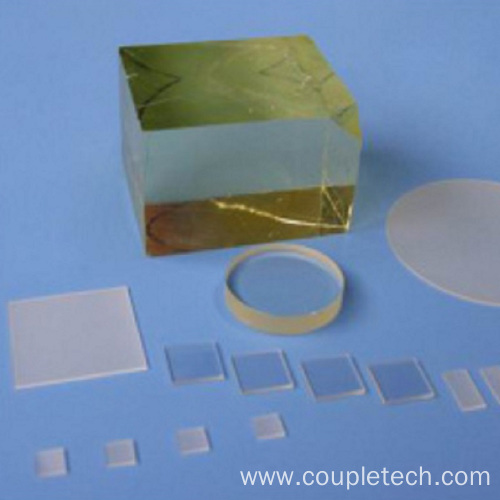
Table of Contents
- Introduction to Optical Elements
- Types of Optical Elements
- Applications of Optical Elements
- Common Issues and Solutions
- Tips for Choosing the Right Optical Element
- Frequently Asked Questions
Introduction to Optical Elements
Optical elements are components that manipulate light through reflection, refraction, diffraction, or polarization. They are fundamental in both scientific instruments and consumer products. Companies like Coupletech Co., Ltd. specialize in manufacturing high-precision optical elements that meet demanding industry standards.
These elements are designed to optimize light transmission, improve imaging quality, and enhance system efficiency. By understanding their role, users can troubleshoot common problems and ensure peak performance in their optical systems.
Types of Optical Elements
Optical elements can be categorized into several key types, each serving unique functions in light manipulation:
- Lenses: Focus or diverge light rays; used in cameras, telescopes, and microscopes.
- Prisms: Refract and disperse light; commonly used in spectrometers and binoculars.
- Mirrors: Reflect light to direct it or form images; essential in laser and telescope systems.
- Diffusers: Scatter light to produce uniform illumination; used in displays and lighting applications.
- Polarizers: Control light polarization; key in photography and optical communication.
Below is a quick comparison table to highlight differences:
| Type | Primary Function | Common Applications |
|---|---|---|
| Lens | Focus/Diverge Light | Cameras, Microscopes, Telescopes |
| Prism | Refract/Disperse Light | Spectrometers, Binoculars |
| Mirror | Reflect Light | Laser Systems, Telescopes |
| Diffuser | Scatter Light | Displays, LED Lighting |
| Polarizer | Control Polarization | Photography, Optical Communication |
Applications of Optical Elements
Optical elements are integrated into various industries and devices:
- Imaging Systems: Cameras, microscopes, and telescopes rely on lenses and mirrors to produce clear images.
- Laser Technology: Mirrors, lenses, and prisms guide and focus laser beams for precision cutting, medical surgery, and research.
- Optical Communication: Polarizers and fiber optics ensure accurate data transmission in telecommunications networks.
- Consumer Electronics: Smartphones, projectors, and augmented reality devices use a combination of lenses and diffusers to enhance display quality.
- Scientific Research: Spectrometers and interferometers employ prisms and mirrors to analyze light properties accurately.
Common Issues and Solutions
Despite their precision, optical elements may encounter challenges that reduce performance. Common problems include:
- Scratches or Surface Damage: Regular cleaning with proper materials and coatings can prevent scratches.
- Misalignment: Using precision mounts and alignment tools ensures optimal light paths.
- Contamination: Dust and oils can degrade optical performance; cleanrooms and protective covers are effective solutions.
- Thermal Effects: Excess heat can distort optical components; using materials with low thermal expansion mitigates this.
Proactive maintenance and high-quality components, like those offered by Coupletech Co., Ltd., are crucial for long-term reliability.
Tips for Choosing the Right Optical Element
Selecting the correct optical element involves evaluating:
- Material: Glass, fused silica, and plastics have different transmission and durability properties.
- Surface Quality: Higher-quality surfaces reduce scattering and improve efficiency.
- Coatings: Anti-reflective or protective coatings enhance performance and longevity.
- Compatibility: Ensure the element fits the system’s size, focal length, and wavelength requirements.
- Manufacturer Reliability: Trusted suppliers like Coupletech Co., Ltd. offer consistent quality and technical support.
Frequently Asked Questions
Q1: What is the difference between a lens and a prism?
A lens focuses or diverges light, whereas a prism refracts and disperses it into its spectral components.
Q2: How do I prevent damage to optical elements?
Use proper cleaning techniques, protective coatings, and avoid direct contact with sharp objects or harsh chemicals.
Q3: Can optical elements be customized?
Yes, manufacturers like Coupletech Co., Ltd. provide customized optical elements for specific applications and performance needs.
Q4: How important is coating on optical elements?
Coatings are crucial for reducing reflection, enhancing light transmission, and protecting surfaces from damage.
For businesses and professionals seeking reliable optical elements, Coupletech Co., Ltd. provides high-precision products designed to meet diverse application requirements. Visit our product page to explore solutions and contact us for expert guidance and customized support.